Rust Protection
Applied to surfaces and tools to prevent rust, corrosion, or oxidation during storage, transit, and handling.
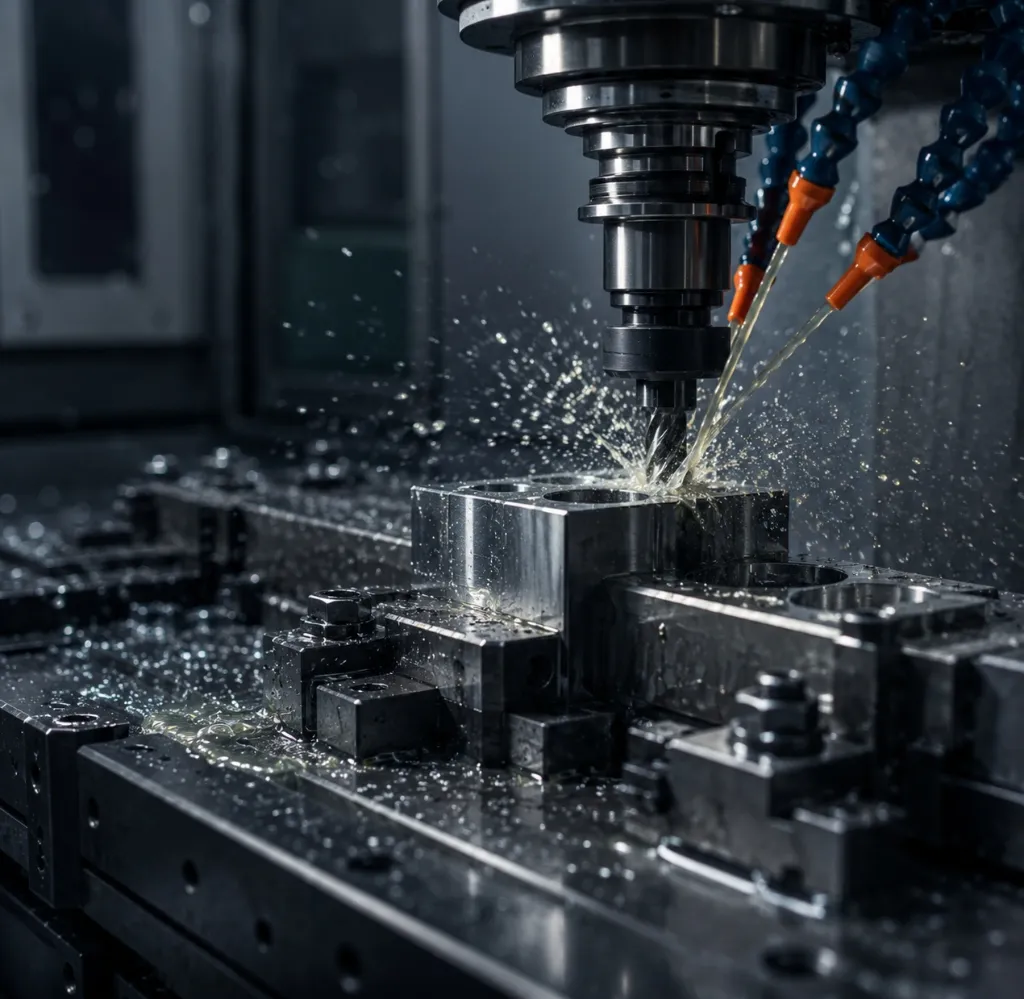
Protect finished components, tooling, and metal surfaces during production, transit, and storage.
Rust Preventive Oil (Oil based)
Provides a thin, self-healing lubricating film that isolates metal parts from moisture during storage and transit.
Rust Preventive Oil (Solvent based)
Formulated with solvent-cutback carriers that evaporate to leave a dry, touch-safe, or waxy protective barrier.
Understanding Protection & Preservation
Learn the factors involved in preventing metal oxidation during storage/transit and ensuring clean release in molding operations.
Key Selection Parameters
Corrosion protection and mould release require selecting fluids based on exposure conditions and post-process needs:
-
Storage and Transit Environment Evaluate if components will face dry indoor storage, humid sea transit, or direct outdoor weathering. Harsh outdoor exposure requires heavier, more resilient waxy films.
-
Film Type and Thickness Select between solvent-based (leaves dry, touch-safe, or waxy film), oil-based (leaves a thin lubricative film), and water-dispersible (non-flammable, eco-friendly) rust preventives.
-
Ease of Film Removal Before parts are painted, welded, or assembled, protective films must be removed. Choose a formulation that easily washes off with standard solvent degreasers or hot alkaline washes.
-
Mould Release Temperature and Spread Mould release oils must spread uniformly and withstand the heat of concrete casting or plastic molding. This prevents sticking, staining, and surface defects on the molded product.
Need corrosion or release support?
Tell us the surface, storage period, and application method for the right product direction.