Cooling and Thermal Management
Oils and thermal fluids designed to carry heat, protect compressors, insulate electrical equipment, and support temperature-controlled processes.
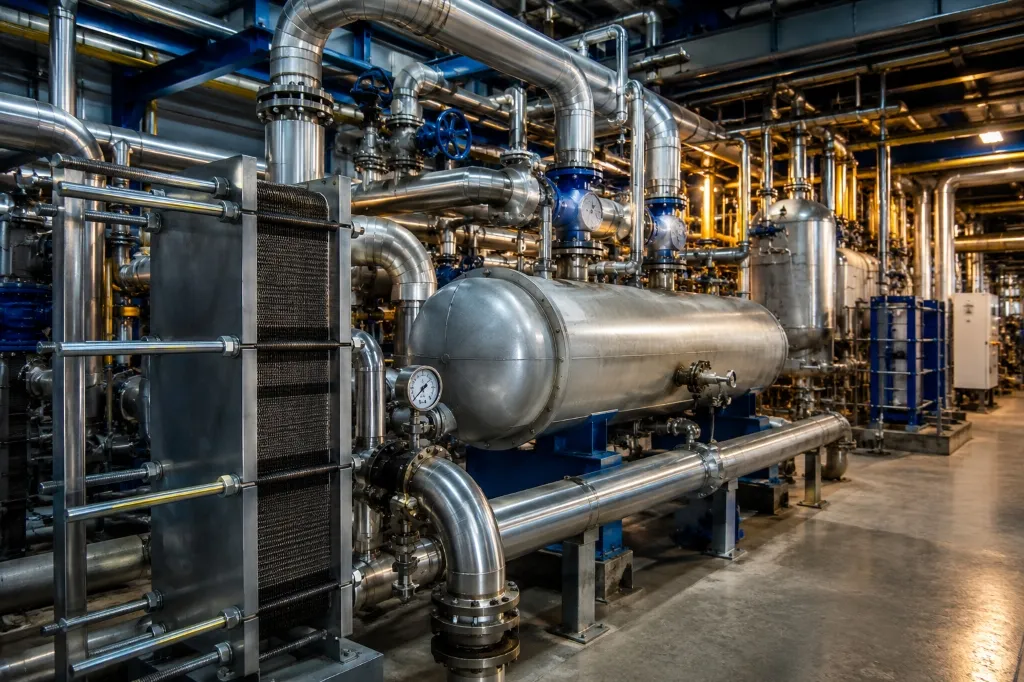
Solutions for air compression, refrigeration circuits, heat-transfer systems, and electrical insulation support.
Thermic Fluid
Thermal fluids for controlled heat transfer in process equipment, heating systems, and temperature-controlled production lines.
Refrigeration Oil
Oils selected for refrigerant compatibility, low-temperature flow, moisture control, and reliable compressor protection.
Transformer Oil
Insulating and cooling oils for transformers and electrical equipment where dielectric strength and oxidation stability are critical.
Compressor Oil
Lubricants for screw, reciprocating, and air compressors where cleanliness, deposit control, and oxidation stability matter.
Understanding Cooling & Thermal Management
Learn the core engineering principles for choosing thermal fluids to safeguard your machinery from heat degradation and maximize energy efficiency.
Key Selection Parameters
Thermal management fluids must be matched precisely to your operating conditions based on the following key metrics:
-
Operating Temperature Range The fluid must remain stable and liquid across your system's entire temperature profile, without freezing at startup or vaporizing/cracking under high heat.
-
Oxidation & Thermal Stability Continuous exposure to heat and air accelerates fluid breakdown. Highly stable base oils prevent sludge, varnish, and acidic byproducts that clog lines.
-
Thermal Conductivity & Specific Heat These dictate how rapidly the fluid can absorb heat from source points and dissipate it at heat exchangers, defining the overall system efficiency.
-
Dielectric Strength (for Electrical Applications) Transformer and switchgear cooling fluids must act as high-performance electrical insulators to prevent catastrophic arcing or short-circuits.
Managing heat-sensitive equipment?
We can recommend oils based on temperature range, duty cycle, and equipment type.